
Interesting Dao
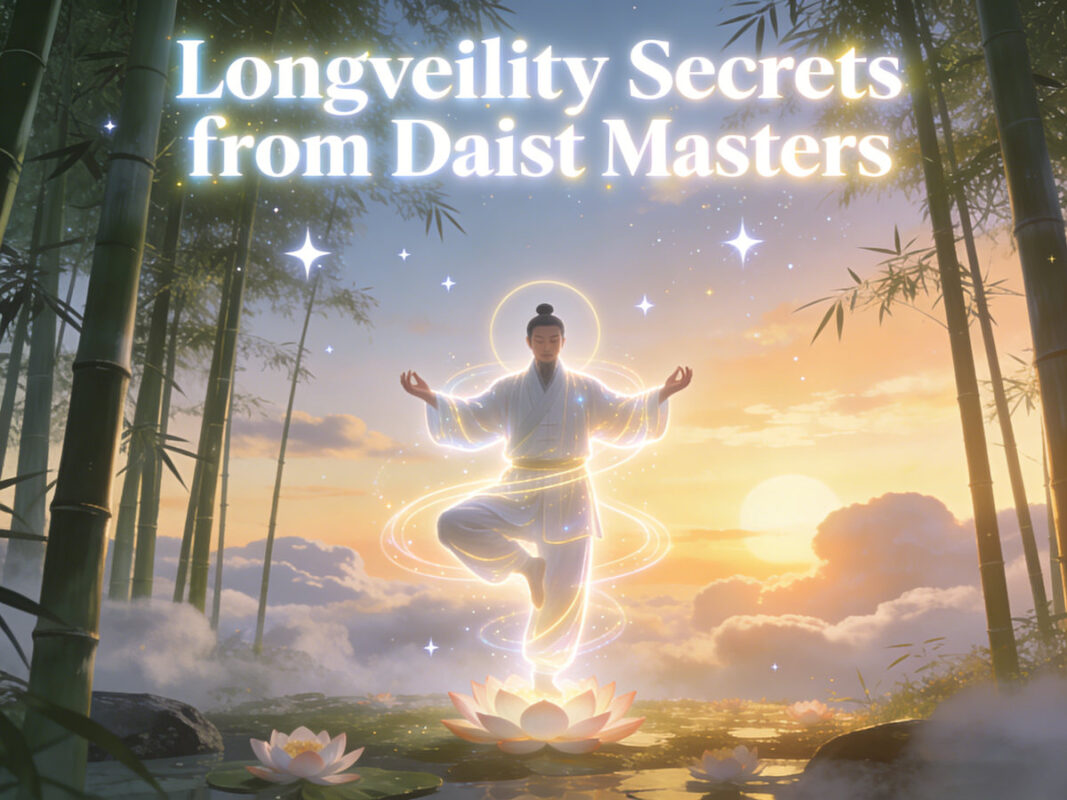
Longevity Secrets from Daoist Masters
Jan
In our era of biohacking and quantified self-optimization, the ancient wisdom of Daoist masters offers a profound counterpoint: longevity not as a battle against time, but as an art of harmonious alignment with its fundamental rhythms. For over two millennia, Daoist adepts cultivated practices aimed at nurturing vital essence (Jing), circulating life energy (Qi), and refining spirit (Shen) – seeking not merely extended years, but a life imbued with vitality, clarity, and profound connection to the Cosmic Dao. Their secrets, distilled from observation of nature and deep internal alchemy, reveal a path where longevity emerges as a natural consequence of living in accordance with the universe’s inherent flow. This is not about adding years to life, but life to years, achieved through effortless action (Wu Wei) and attunement to the self-so (Ziran) nature of existence.
I. The Pillars of Immortality: Jing, Qi, Shen – The Three Treasures
The foundation of Daoist longevity rests upon the mindful cultivation and conservation of the Three Treasures (San Bao), the fundamental substances of life:
- Jing (精 – Essence): Often translated as vital essence or reproductive energy, Jing is the primordial, inherited life force stored primarily in the kidneys. It represents our constitutional bedrock, the finite reservoir of potential we are born with. Daoist masters emphasize conserving Jing through moderation in all activities, particularly those involving sexual energy, excessive strain, or chronic stress. Practices aim to prevent its premature depletion and, ideally, to refine and replenish it.
- Qi (氣 – Vital Energy): The animating force that flows through all living things and the universe itself. Qi circulates through specific pathways (meridians) and animates physiological and mental functions. Longevity hinges on ensuring the smooth, abundant, and balanced flow of Qi. Blockages, deficiencies, or rebellious Qi are seen as precursors to disease and accelerated aging. Cultivation involves breathing techniques, movement, and mental focus to gather, circulate, and refine Qi.
- Shen (神 – Spirit): The most refined aspect, encompassing consciousness, awareness, insight, and our connection to the divine or cosmic mind. A calm, clear, and stable Shen is essential for governing the body and emotions effectively. When Shen is scattered or agitated (through excessive thought, emotional turmoil, sensory overload), it disrupts Qi and drains Jing. Practices focus on tranquillizing and refining the Shen through meditation, ethical living, and aligning with the Dao.
The alchemical goal is the transformation and mutual nourishment of these Three Treasures: conserving and refining Jing to nourish Qi; cultivating and circulating Qi to nourish and calm Shen; and using a tranquil, refined Shen to guide the conservation of Jing and the harmonious flow of Qi, creating a virtuous cycle of vitality.
II. Internal Alchemy (Nei Dan): Forging the Immortal Fetus Within
Beyond basic conservation, advanced Daoist longevity practices involve Internal Alchemy (Nei Dan). This sophisticated system uses the body itself as the crucible to refine the Three Treasures into ever-purer states, ultimately aiming to create the “Immortal Fetus” – a metaphor for a transcendent, enduring spiritual consciousness and energy body.
- Microcosmic Orbit (Xiao Zhou Tian): A foundational practice involving the conscious circulation of refined Qi along the Governing Vessel (Du Mai, running up the spine) and Conception Vessel (Ren Mai, running down the front midline). This circuit connects key energy centers (dantians) and establishes a smooth flow, harmonizing Yin and Yang energies within the body. Mastery of this orbit is seen as vital for health and longevity, preventing energy stagnation.
- Transmuting Essence into Qi (Lian Jing Hua Qi): Techniques (including specific breathing, visualization, and gentle movement) focus on transforming the dense, foundational Jing stored in the lower dantian (below the navel) into the more active and usable Qi. This process prevents Jing stagnation and provides abundant energy for physiological functions and further refinement.
- Transmuting Qi into Spirit (Lian Qi Hua Shen): The refined Qi is then directed upwards and concentrated in the middle (heart center) and upper dantian (between the eyebrows). Through deep stillness and focused intention, this vibrant Qi nourishes and clarifies the Shen, leading to heightened awareness, mental clarity, and emotional equilibrium.
- Returning Spirit to Void (Lian Shen Huan Xu): The ultimate stage involves the refined Shen merging back with the primordial void, the Wuji, or the Dao itself. This represents the transcendence of individual ego and the realization of one’s fundamental nature as an inseparable part of the cosmos – the true essence of Daoist “immortality.” This state fosters profound peace and resilience, directly impacting physiological well-being.
III. The Elixir of Breath: Qi Cultivation Through Regulation
Breath (Xi) is the most immediate bridge between the inner and outer worlds, the primary means of gathering and directing Qi. Daoist masters developed intricate breath regulation techniques:
- Embryonic Breathing (Tai Xi): Mimicking the subtle, almost imperceptible breathing of a fetus in the womb, this practice involves deep, slow, soft, even, and continuous breathing, often felt more in the abdomen or lower dantian than the chest. It conserves energy, calms the mind, and stimulates the body’s innate self-healing and regenerative capacities. The focus is on the natural pause between inhalation and exhalation.
- Dao Yin (Guiding and Pulling): Combining specific breathing patterns with gentle movements, stretches, and self-massage, Dao Yin practices aim to unblock Qi pathways, expel pathogenic factors, and guide fresh Qi to nourish organs and tissues. These are precursors to more dynamic practices like Tai Chi and Qigong, specifically targeting energy flow for health and longevity.
- Six Healing Sounds (Liu Zi Jue): Using specific vocalizations associated with different organ systems (e.g., “Xu” for Liver, “He” for Heart), combined with postures and breath, this practice helps to purge excess heat or stagnant Qi from the organs, promoting balance and preventing disease rooted in organ dysfunction.
IV. Nutritional Alchemy: Food as Medicine and Qi Source
Daoist dietary principles view food not merely as sustenance, but as potent medicine and a primary source of Qi and Jing. The emphasis is on alignment with natural rhythms and supporting the body’s internal alchemy:
- Seasonal and Local Harmony: Consuming foods that are in season and grown locally ensures they carry the appropriate Qi for that time of year and environment, helping the body adapt naturally. Cooling foods (like cucumber, mint) in summer; warming foods (like ginger, lamb) in winter.
- Moderation and Simplicity (Wu Wei in Eating): Overeating is seen as a major drain on Qi (digestion requires significant energy) and a source of internal stagnation. Fasting or light, simple meals (especially grains, vegetables) are often practiced to allow the digestive system rest and promote internal cleansing. Eating until 70-80% full is a common maxim.
- Nourishing Jing and Qi: Prioritizing foods believed to tonify Jing and Qi: whole grains (especially rice), legumes, nuts, seeds, specific vegetables and fruits, and moderate amounts of high-quality animal products if consumed. Minimizing processed foods, excessive sugar, and stimulants which are seen as depleting or creating “turbid” Qi.
- Mindful Consumption: Eating in a calm, peaceful state, chewing thoroughly, and expressing gratitude are considered essential for optimal digestion and assimilation of the food’s Qi. Rushed or stressed eating hinders the body’s ability to extract nourishment.
V. Movement as Stillness: Cultivating Vitality Through Gentle Arts
Contrary to strenuous exercise, Daoist longevity movement practices emphasize softness, flow, and internal awareness to cultivate and circulate Qi without depletion:
- Tai Chi Chuan (Taijiquan): Often called “meditation in motion,” Tai Chi’s slow, continuous, graceful movements are designed to open meridians, promote Qi flow, improve balance, calm the nervous system, and integrate mind and body. Its martial applications are secondary to its profound health and longevity benefits in this context.
- Qigong (Qi Cultivation): A vast umbrella term for practices involving posture, movement, breath, and mental focus to cultivate, balance, and direct Qi. Specific Qigong forms target different health goals, but all share the aim of enhancing vitality and harmonizing the body’s energy systems. Practices like “Eight Pieces of Brocade” (Ba Duan Jin) are classic longevity sets.
- Walking Meditation: Simple, mindful walking, often in nature, coordinating breath with steps, is a powerful yet accessible practice for grounding, clearing the mind, and gently circulating Qi. It connects the individual to the Earth’s energy and embodies the principle of effortless movement.
VI. Cultivating the Inner Landscape: Mental and Emotional Alchemy
Daoist masters understood that a turbulent mind and unchecked emotions are primary causes of Qi disruption, Jing depletion, and disease. Longevity requires mastery of the inner world:
- Heart-Mind Calming (Xin): Practices like sitting in forgetfulness (Zuo Wang) and guarding the One (Shou Yi) involve letting go of discursive thought, releasing attachments, and focusing the mind on a single point (like the breath or lower dantian) or simply resting in awareness. This calms the Shen, reduces stress hormones, and allows the body’s innate intelligence to restore balance.
- Emotional Equilibrium (Qing): Daoism teaches that emotions are natural energy movements, but when excessive or prolonged (like chronic anger, worry, fear), they become pathogenic. The practice is to observe emotions without being swept away by them, allowing them to arise and pass like clouds in the sky, preventing them from lodging in the organs and causing blockages (e.g., anger affecting the liver).
- Wu Wei in Thought: Applying non-forcing to the mind – not struggling against thoughts, but allowing them to settle naturally through non-interference, akin to allowing muddy water to become clear by leaving it undisturbed. This reduces mental fatigue and fosters a deep sense of peace.
- Virtue (De) as Foundation: Living ethically – with compassion, simplicity, humility, and integrity – is considered essential. Virtue (De) is the natural expression of aligning with the Dao; it generates harmonious Qi internally and fosters harmonious relationships externally, reducing conflict and stress.
VII. Weaving Longevity into the Fabric of Daily Life: From Ritual to Reverence
The true power of Daoist longevity lies not in isolated practices, but in weaving these principles into the very fabric of existence, transforming mundane activities into rituals of alignment. This integration fosters an environment where vital essence is preserved and life energy flourishes:
- Rhythm and Ritual: Aligning daily routines with natural cycles – rising with the sun, winding down at dusk, honoring seasonal shifts – creates a stabilizing rhythm that conserves energy and reduces stress. Simple rituals, like mindful tea preparation or morning salutations to the sun, cultivate presence and reverence.
- Nature as Sanctuary & Teacher: Spending time in natural environments is paramount. Forests, mountains, and flowing water possess potent, unadulterated Qi. Walking barefoot on earth (grounding), listening to natural sounds, observing plants and animals – these are not leisure activities but essential practices for absorbing healing energy and remembering our place within the Cosmic Dao. Nature teaches resilience, adaptation, and the beauty of effortless growth.
- Cultivating Sacred Space: The physical environment profoundly influences our internal state. Dao decor principles guide the creation of spaces that support longevity: embracing natural light and ventilation, incorporating elements of wood, stone, and water, minimizing clutter (reflecting the Uncarved Block, Pu), utilizing flowing lines and open spaces to encourage Qi movement, and creating areas dedicated to stillness and practice. Such an environment becomes a sanctuary that nurtures calm and replenishes Shen.
- Mindful Craft as Alchemy: Engaging in dao crafts transforms manual activity into meditation and energetic cultivation. Whether it’s tending a garden (aligning with earth Qi), practicing calligraphy (focusing Shen and directing Qi through the brush), carving wood, or weaving, the key lies in process over product. It’s the mindful engagement, the rhythmic breath, the absorption in the task, and the respect for the material’s inherent nature (Ziran) that cultivate inner stillness, refine intention, circulate Qi, and transform the act into a longevity practice. The crafted object may fade, but the internal harmony forged during its creation endures. This seamless integration – where breath, movement, nourishment, thought, environment, and daily activity all resonate with the principles of the Dao – is the ultimate secret. Longevity ceases to be a goal chased and becomes the natural fragrance of a life lived in profound and reverent harmony with the inexhaustible source.