Interesting Dao
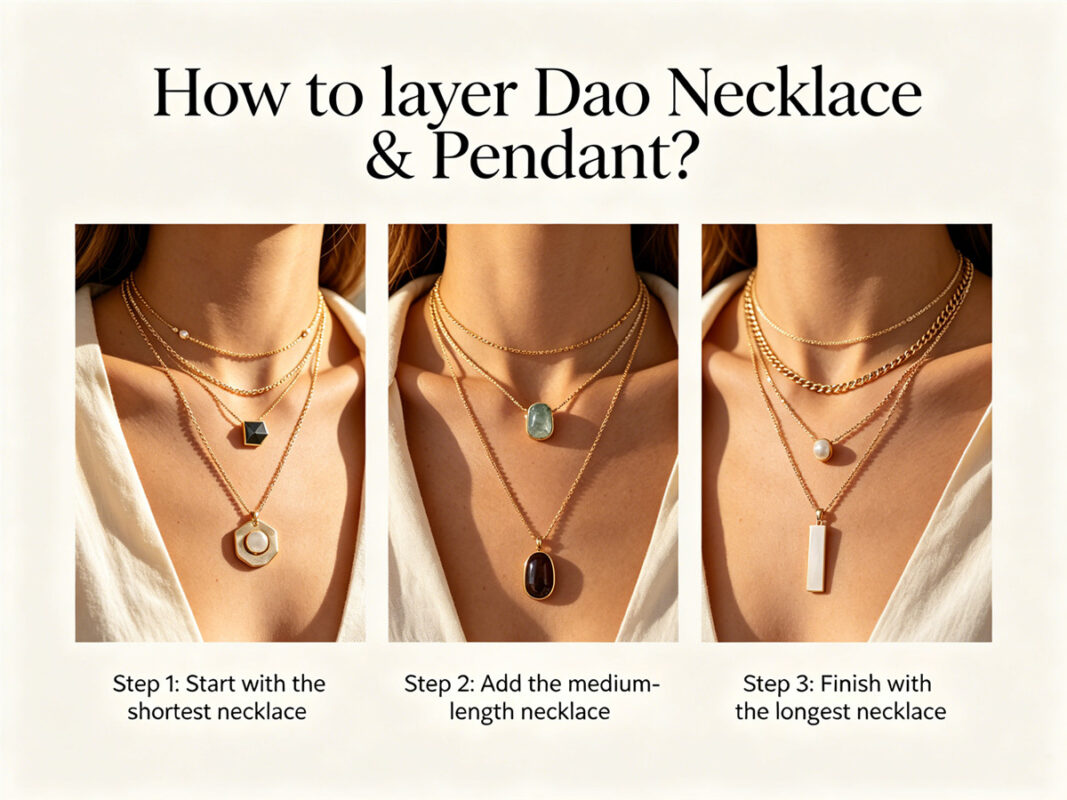
How to layer Dao Necklace & Pendant?
Jun
1. Understanding the Philosophy Behind Layering Dao Necklaces and Pendants
Layering a Dao Necklace & Pendant is not simply a matter of stacking jewelry pieces together; it is more accurately understood as an exercise in balance, intention, and visual harmony, where each layer contributes to a broader sense of meaning rather than competing for attention. In many design traditions inspired by Daoist aesthetics, simplicity and flow are valued over excess, which means that layering must be approached with a sense of restraint and awareness rather than abundance.
At its core, layering is about creating a dialogue between pieces. Each necklace or pendant carries its own form, weight, and symbolic presence, and when worn together, they should feel like they belong to the same visual language while still maintaining individuality. This balance between unity and contrast is what gives layered Dao-inspired jewelry its quiet depth and refined character.
Unlike trend-driven stacking that often prioritizes quantity, Dao-inspired layering tends to emphasize intentional spacing, material harmony, and symbolic coherence. The goal is not to overwhelm the neckline but to create a subtle vertical rhythm that enhances presence without disrupting natural simplicity.
Layering as a reflection of personal flow
One of the most important ideas behind layering in this style is the concept of flow. Each piece should feel like it moves naturally with the wearer, both visually and energetically. This means considering not only how necklaces look together but also how they sit against the body, how they shift during movement, and how they interact with clothing.
When approached thoughtfully, layering becomes less about decoration and more about expression, where each pendant represents a small element within a larger personal composition.
2. Choosing the Right Base Layer and Focal Point
A successful layered necklace arrangement begins with selecting a strong base layer, which acts as the anchor for the entire composition. This foundational piece is typically the shortest necklace and is often simpler in design, allowing it to establish structure without drawing excessive attention away from other layers.
The role of the base necklace
The base layer should sit comfortably near the collarbone and serve as a visual starting point. In Dao-inspired styling, this piece is often understated, featuring minimal detailing or a small symbolic charm that reflects balance, grounding, or intention.
Its purpose is not to dominate but to stabilize the visual structure of the layered arrangement, ensuring that additional pieces can be added without creating visual clutter.
Creating a focal pendant layer
Above or below the base layer, a focal pendant can be introduced to create emphasis. This piece is usually slightly longer and may feature a more detailed design, such as symbolic motifs, natural elements, or traditional-inspired forms.
The focal pendant acts as the visual anchor of the entire arrangement. It draws attention without overpowering the surrounding layers, creating a natural point of interest that guides the eye downward along the neckline.
A well-chosen focal piece ensures that the layering feels intentional rather than random, giving the overall composition direction and coherence.
3. Balancing Length, Spacing, and Visual Rhythm
One of the most overlooked aspects of layering a Dao Necklace & Pendant is the importance of spacing and proportion, which directly influence how balanced the final look appears.
Graduated length for natural flow
A common and effective approach is to use graduated lengths, where each necklace sits at a slightly different level along the chest. This creates a cascading effect that feels visually smooth and prevents pieces from overlapping in a cluttered way.
When the spacing is too tight, the layers can feel compressed and visually heavy. When the spacing is too wide, the composition may feel disconnected. The ideal balance allows each piece to be visible while still forming a cohesive vertical structure.
Maintaining breathing space between layers
Spacing is not just a technical detail but also a visual principle that supports clarity. Leaving enough space between pendants allows each one to be appreciated individually, which is especially important when working with meaningful or symbolic designs.
This sense of “breathing space” ensures that the layering does not feel forced or overcrowded, maintaining a calm and intentional aesthetic that aligns with Dao-inspired design philosophy.
4. Material Harmony and Symbolic Coordination
Beyond structure and spacing, the materials and symbolic elements used in Dao necklace layering play a crucial role in determining how cohesive the final arrangement feels.
Combining textures thoughtfully
Different materials such as metal, cord, stone, or carved elements can be layered together effectively when there is a sense of underlying harmony. For example, pairing smooth metal pendants with natural stone accents can create subtle contrast while still maintaining visual balance.
The key is not to avoid contrast but to control it. Too many competing textures can create visual noise, while carefully selected combinations can enhance depth and interest.
Symbolic consistency across layers
In Dao-inspired jewelry, symbolism often carries significant weight. When layering multiple pendants, it is helpful to consider whether the meanings behind each piece complement one another. For instance, designs that emphasize balance, protection, or natural flow tend to work well together because they share a common conceptual foundation.
This does not mean every piece must match thematically, but there should be a sense of coherence that ties the arrangement together into a unified expression.
Subtle coordination with other accessories
Layered necklaces often interact visually with other accessories such as Dao Earrings, which frame the face and can either complement or contrast the neckline composition. When balanced carefully, earrings and layered necklaces can work together to create a complete visual flow from the ears down through the chest area.
5. Styling for Different Outfits and Everyday Wear
The effectiveness of layering also depends heavily on how it interacts with clothing choices, body proportions, and overall styling context, which can shift the visual impact significantly.
Layering with simple and neutral clothing
One of the most reliable ways to highlight layered Dao jewelry is to pair it with simple, solid-colored clothing. Neutral tones such as white, black, beige, or earth tones allow the necklaces to stand out without competing with busy patterns or textures.
High-neck or open-neck garments can also influence how the layers are perceived, either framing them more tightly or allowing them to sit more freely against the skin.
Adapting layers for casual and formal settings
For casual wear, layering tends to work best when kept minimal, with two or three pieces that create a subtle but noticeable effect. In more formal or styled settings, additional layers or more intricate focal pendants can be introduced to enhance visual impact.
The flexibility of layered Dao jewelry makes it suitable for a wide range of occasions, as long as balance and restraint remain guiding principles.
Expressing identity through curated combinations
Layering also offers an opportunity for personal expression, where each combination of pendants can reflect different aspects of identity, mood, or intention. Some individuals may prefer minimalist arrangements focused on simplicity, while others may choose more detailed combinations that emphasize storytelling through design.
This adaptability is part of what makes Dao-inspired jewelry appealing across different audiences and styling preferences.
As interest in meaningful accessories continues to grow, many people explore complementary cultural items such as Dao Gifts, which often share similar principles of symbolism, intention, and craftsmanship. These pieces, along with thoughtfully designed jewelry collections, are increasingly featured in curated spaces like Daocrafts.com, where traditional inspiration and modern styling come together in ways that highlight how layered accessories can remain both personal and visually balanced while still reflecting deeper cultural and aesthetic values.
:::