Interesting Dao
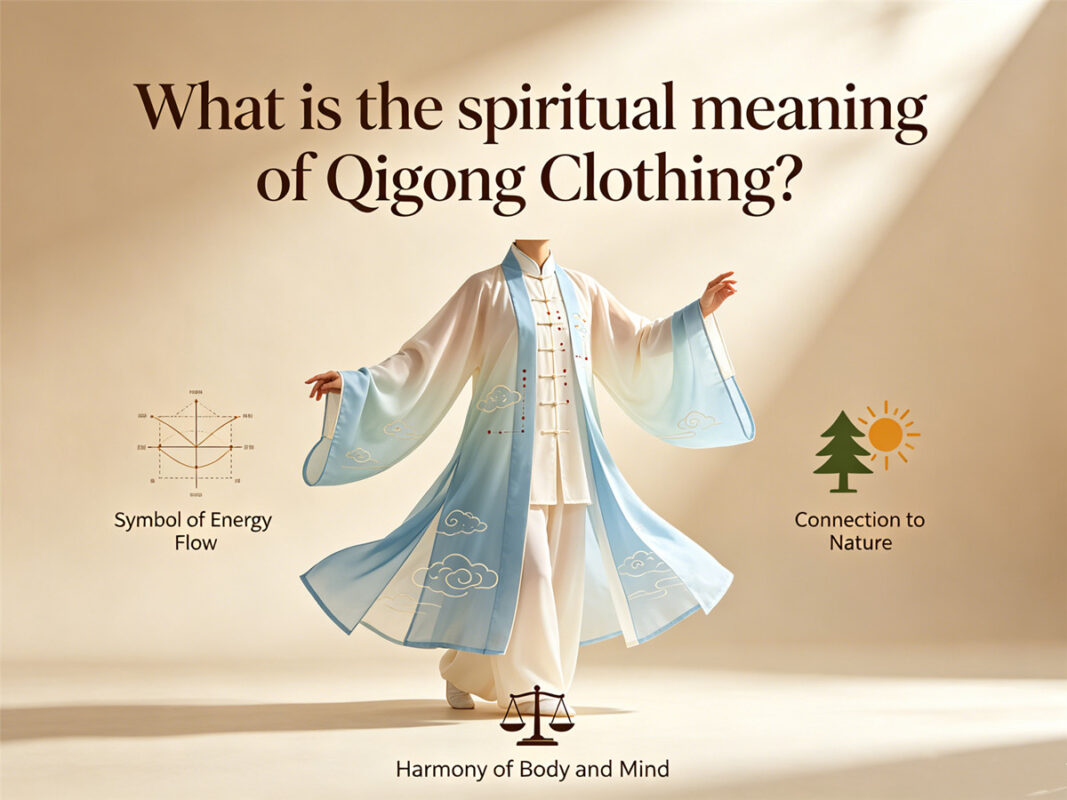
What is the spiritual meaning of Qigong Clothing?
Jun
Qigong is often described as a practice of movement, breath, and awareness, but those who have studied its traditions more deeply understand that every aspect of the practice is intended to support harmony between body, mind, and spirit. While much attention is given to breathing techniques, meditative focus, and physical exercises, the clothing worn during Qigong practice has also developed a meaningful place within the tradition. To many practitioners, Qigong clothing is not merely activewear or a practical uniform. Instead, it represents a physical expression of inner balance, simplicity, and connection to natural principles.
The spiritual meaning of Qigong Clothing extends beyond fabric and design. Its loose silhouette, natural materials, and understated appearance reflect values that have long been associated with Daoist philosophy and traditional Chinese cultivation practices. Although modern practitioners may choose Qigong attire for comfort, many also appreciate the symbolic role it plays in creating a mindset of calmness, mindfulness, and intentional living.
Understanding the spiritual meaning behind Qigong clothing requires looking beyond appearance and exploring how clothing can influence presence, movement, and awareness during practice.
1. The Connection Between Qigong Clothing and Inner Harmony
One of the most important spiritual themes associated with Qigong clothing is harmony. In traditional Chinese thought, harmony is not simply the absence of conflict but the balanced interaction of different forces within life. Qigong itself seeks to cultivate this balance through coordinated movement, breathing, and mental focus.
The clothing traditionally associated with Qigong reflects this same principle. Rather than emphasizing fashion trends, status, or outward display, it prioritizes comfort, ease, and natural movement. This simplicity helps practitioners focus on their internal experience rather than external distractions.
A visual reflection of balance
The flowing lines commonly found in Qigong garments symbolize continuity and smoothness. Sharp angles, excessive decoration, and restrictive tailoring are generally avoided because they can feel at odds with the fluidity that Qigong seeks to cultivate.
When practitioners wear clothing that moves naturally with the body, there is often a greater sense of alignment between physical action and mental awareness. The garment becomes part of the practice rather than an obstacle to it.
Reducing external distractions
Spiritual traditions around the world often use specific clothing to encourage focus and presence. Qigong clothing serves a similar purpose by minimizing concerns about appearance, discomfort, or restriction. This creates an environment where attention can be directed inward.
The result is not merely physical comfort but a subtle psychological shift that supports mindfulness and self-awareness.
2. Simplicity as a Spiritual Principle
One of the defining characteristics of traditional Qigong clothing is its simplicity, and this simplicity carries significant spiritual meaning.
Letting go of excess
Many philosophies associated with Qigong encourage practitioners to release unnecessary attachments and cultivate a more balanced relationship with material concerns. The modest design of traditional Qigong attire reflects this idea.
Rather than seeking attention through elaborate decoration, the clothing emphasizes function and purpose. This does not mean it lacks beauty. Instead, its beauty comes from restraint, proportion, and harmony.
By choosing garments that prioritize usefulness and balance, practitioners often reinforce the values that Qigong seeks to develop internally.
Natural elegance without display
There is a quiet elegance in traditional Qigong clothing that comes from its confidence in simplicity. It does not rely on bold statements or excessive ornamentation. Instead, it allows movement, posture, and presence to become the focus.
This understated quality aligns closely with spiritual concepts that value authenticity over performance and substance over appearance.
3. The Role of Natural Materials in Spiritual Practice
Traditional Qigong clothing is often made from natural fabrics such as cotton, linen, or silk. While these materials are practical, they also hold symbolic significance within the broader context of traditional cultivation practices.
Connection to nature
Nature occupies a central place in many traditions associated with Qigong. Practitioners are encouraged to observe natural rhythms, cultivate balance, and develop awareness of their relationship with the world around them.
Natural fabrics reinforce this connection by creating a more organic sensory experience. Their texture, breathability, and responsiveness to movement often feel more aligned with the principles of natural living than heavily synthetic materials.
Comfort and energetic awareness
Many practitioners believe that comfortable clothing supports greater awareness during practice. Restrictive garments can create tension or distraction, while natural materials often encourage relaxation and ease.
Although spiritual interpretations vary, the symbolic association between natural fabrics and harmonious living remains an important aspect of traditional Qigong attire.
4. Freedom of Movement as a Symbol of Energy Flow
Movement is fundamental to Qigong, and the design of Qigong clothing reflects the importance of unrestricted motion.
Supporting the concept of flow
One of the core ideas in Qigong is the cultivation and circulation of qi, often translated as life energy. Whether understood literally, metaphorically, or philosophically, the concept emphasizes smoothness rather than resistance.
Loose-fitting garments symbolize this flow by allowing the body to move freely through a wide range of motions. The absence of tight restrictions mirrors the broader goal of reducing physical and mental blockages.
Embodying openness
The spacious design of traditional Qigong clothing can also be viewed symbolically. Just as the fabric allows freedom of movement, practitioners are encouraged to cultivate openness in thought, emotion, and awareness.
In this sense, the clothing becomes a physical reminder of the qualities that the practice seeks to develop.
5. The Influence of Daoist Philosophy on Qigong Attire
The spiritual meaning of Qigong clothing cannot be fully understood without considering its connection to Daoist thought, which has significantly influenced many traditional Qigong practices.
Living in accordance with natural principles
Daoist philosophy emphasizes living in harmony with the natural order rather than constantly struggling against it. Simplicity, adaptability, and balance are recurring themes.
The relaxed design of Qigong clothing reflects these values. It avoids unnecessary complexity and instead prioritizes comfort and functionality, allowing practitioners to move naturally and comfortably.
The principle of effortless action
A central Daoist concept is often translated as “effortless action” or acting in accordance with the natural flow of life. Traditional Qigong attire embodies this principle through garments that do not force or constrain movement.
The wearer is able to focus on practice rather than managing clothing, creating a more seamless experience that supports mindful engagement.
6. Creating a Ritual Mindset Through Clothing
Clothing often serves as a psychological bridge between daily life and intentional practice. This role is especially important in disciplines that involve meditation, mindfulness, or spiritual cultivation.
Transitioning into practice
Putting on Qigong clothing can become a meaningful ritual. The simple act of changing attire helps signal a shift from ordinary activities into a dedicated period of self-cultivation and reflection.
Over time, this association can deepen, making the clothing itself a cue for calmness and focused awareness.
Strengthening consistency and intention
Many practitioners find that having dedicated Qigong attire encourages regular practice. The garments become associated with positive experiences such as relaxation, concentration, and personal growth.
This symbolic relationship strengthens the connection between physical preparation and mental readiness.
7. Qigong Clothing in the Modern World
Today, Qigong is practiced across diverse cultures and settings, from traditional training halls to public parks and private homes. As the practice has expanded globally, the clothing associated with it has also evolved.
Modern Qigong attire may incorporate contemporary fabrics, updated tailoring, and practical features while still preserving many traditional design principles. The spiritual meaning, however, remains rooted in the same foundational ideas: harmony, simplicity, mindfulness, and connection to natural rhythms.
For many practitioners, Qigong clothing is not about following strict rules or achieving a particular appearance. Instead, it serves as a reminder of the values that the practice seeks to cultivate. The garments encourage presence, support movement, and create a subtle sense of intentionality that extends beyond the practice session itself.
This appreciation for meaningful design can also be seen in other expressions of traditional Chinese culture, from garments such as the Qipao to carefully crafted decorative and symbolic items. Whether exploring cultural apparel, selecting a thoughtful Dao gift, or learning more about traditional aesthetics, many people are drawn to objects that combine beauty with deeper significance. Platforms such as Daocrafts.com continue to highlight these connections, offering insights into how traditional craftsmanship and spiritual symbolism can remain relevant and inspiring in contemporary life.