Interesting Dao
Why Wear Qipao/Cheongsam to Events?
May
1. The Enduring Presence of Qipao in Formal and Social Events
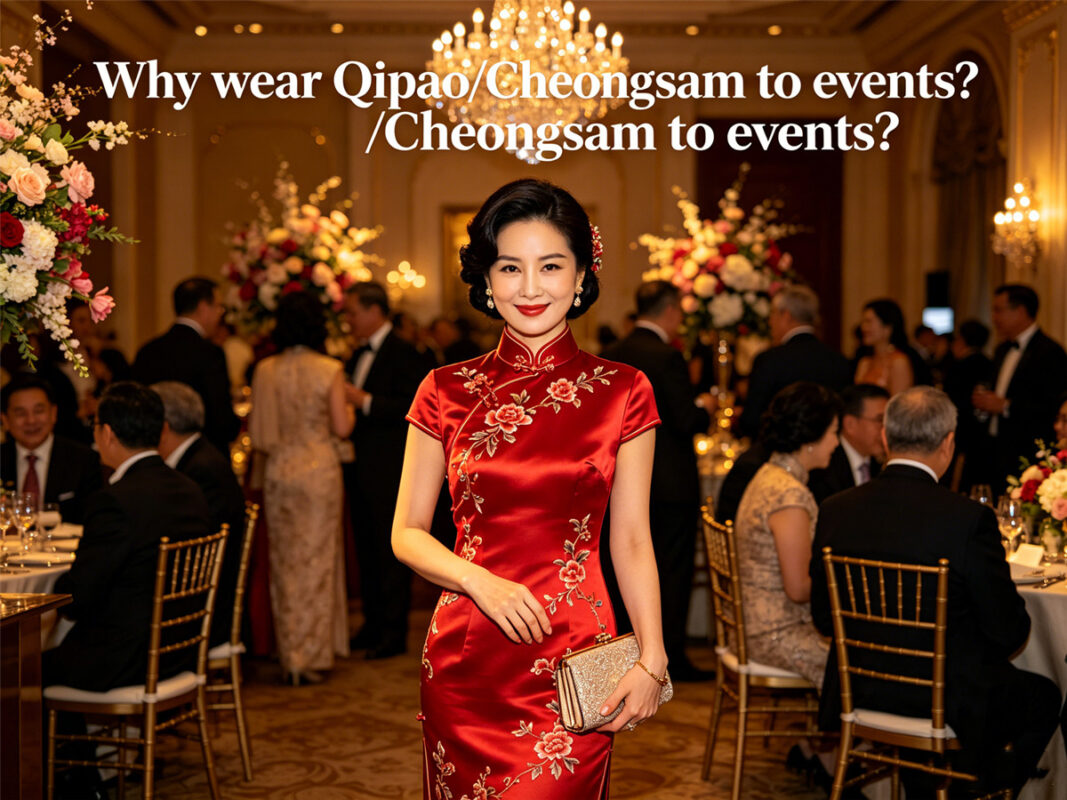
The Qipao/Cheongsam has long held a distinctive place in formal wear, especially across cultural celebrations, weddings, galas, and diplomatic gatherings. What makes it stand out is not just its visual elegance, but the way it carries a sense of history that feels alive rather than frozen in time. When worn to an event, it does more than dress the body; it communicates presence, refinement, and cultural awareness without needing explanation.
Unlike many contemporary outfits that shift with seasonal trends, the Qipao remains remarkably consistent in its appeal. It is structured yet fluid, minimal yet expressive. At events where first impressions matter, it offers a visual language that is both graceful and intentional. People often choose it not just for aesthetics, but because it creates a quiet confidence that modern Western formalwear sometimes lacks in symbolic depth.
There is also a practical side to its enduring popularity. The Qipao is versatile enough to suit formal dinners, red-carpet appearances, engagement ceremonies, and cultural festivals. It adapts through fabric, cut, and detailing while still maintaining its recognizable silhouette. This balance between tradition and adaptability is one reason it continues to be a preferred choice for meaningful occasions.
2. Cultural Heritage and the Language of Design
At its core, the Qipao is a reflection of cultural continuity. Its design evolution carries influences from early 20th-century Shanghai fashion while drawing deeper inspiration from traditional Chinese tailoring principles. Wearing it to events often signals an appreciation for that layered history.
The storytelling behind fabric and silhouette
Every detail in a Qipao can hold meaning. The high collar suggests refinement and modesty, while the side slits introduce movement and practicality. Embroidery patterns—whether floral, symbolic, or abstract—often reference prosperity, harmony, or seasonal beauty. In this sense, it is not simply clothing but a visual narrative.
This connection to storytelling is what gives the garment its emotional weight. People attending cultural receptions or milestone events often choose Qipao because it allows them to represent identity in a way that feels natural rather than performative.
Bridging heritage and contemporary identity
In modern contexts, wearing a Qipao does not require abandoning individuality. On the contrary, it often enhances it. Designers today reinterpret traditional elements through contemporary fabrics, asymmetrical cuts, and minimalist detailing, allowing wearers to express both heritage and modern taste simultaneously.
3. The Role of Qipao in Modern Fashion and Event Culture
Fashion at events is no longer just about conformity; it is about distinction. The Cheongsam has re-emerged in global fashion circles as a statement piece that stands apart from conventional gowns and suits. Its structured elegance provides a refreshing contrast to the often repetitive styles seen at formal gatherings.
A global reinterpretation of tradition
International fashion designers have incorporated Qipao-inspired elements into haute couture collections, signaling its growing influence beyond cultural boundaries. This global reinterpretation has made it increasingly common to see variations of the Qipao at film festivals, award ceremonies, and diplomatic banquets.
What makes it particularly suitable for events is its ability to photograph beautifully. The clean lines, subtle shimmer of silk, and carefully placed embroidery respond well to lighting, making it a favorite for evening functions and formal photography sessions.
A versatile choice across event types
Whether it is a wedding reception, a cultural gala, or a corporate celebration, the Qipao adapts seamlessly. Shorter versions offer a playful yet polished look for semi-formal occasions, while floor-length silk designs elevate more formal settings. This adaptability allows it to transition across different event dress codes without losing its identity.
4. Elegance, Confidence, and the Psychology of Wearing Qipao
There is a psychological dimension to wearing the Qipao that is often overlooked. Clothing affects posture, movement, and even emotional presence, and the Qipao is uniquely structured to enhance these aspects.
How structure shapes confidence
The fitted design encourages upright posture, slower and more intentional movement, and a heightened awareness of physical presence. This naturally translates into confidence at events, where body language plays a significant role in perception.
Unlike loose or overly structured Western formalwear, the Qipao strikes a balance that allows comfort while maintaining formality. This balance reduces distraction, allowing the wearer to focus more on interaction and less on adjustment.
The quiet power of elegance
Elegance in the Qipao is not loud or exaggerated. It is subtle, often revealed through movement rather than static appearance. A slight turn, a step forward, or even the way fabric catches light becomes part of the experience. This understated presence often leaves a stronger impression than more elaborate outfits.
5. Styling Qipao for Events: Practical and Aesthetic Considerations
Wearing a Qipao to an event is not just about choosing the garment; it is also about styling it in a way that respects both the occasion and personal expression.
Accessories that enhance rather than overwhelm
Jewelry should complement rather than compete with the Qipao. Simple jade pieces, pearl earrings, or minimalist gold accents often work best. The goal is to maintain visual balance so the garment remains the focal point.
Shoes also play a subtle but important role. Closed-toe heels or elegant flats can preserve the silhouette’s continuity, while avoiding overly modern or bulky footwear ensures consistency in style.
Fabric and seasonal considerations
Silk and satin are commonly chosen for evening events due to their natural sheen, while cotton blends or linen Qipao work better for daytime or outdoor gatherings. Seasonal adjustments allow the garment to remain practical without losing its aesthetic integrity.
Color choice is equally significant. Deep reds, emerald greens, and midnight blues are often associated with formality and celebration, while softer tones like ivory or pastel pink suit more intimate or daytime occasions.
6. Why the Qipao Remains a Meaningful Choice for Today’s Events
In a world where fashion trends change rapidly, the Qipao maintains its relevance because it is anchored in meaning rather than novelty. It offers a sense of continuity in environments that often prioritize change and experimentation.
What sets it apart is not just its appearance, but its ability to carry identity gracefully. At events where people seek to present themselves thoughtfully, it provides a way to stand out without being excessive. It balances individuality with shared cultural expression, making it especially meaningful in multicultural or international settings.
There is also an increasing appreciation for craftsmanship in modern fashion. Many Qipao designs today highlight detailed tailoring techniques, hand embroidery, and carefully selected textiles. This emphasis on craftsmanship aligns with a broader shift toward valuing quality over mass production in event wear.
In many ways, choosing a Qipao or Cheongsam is also a quiet acknowledgment of heritage evolving into modern expression. It sits comfortably alongside other traditional garments like the Han dress and Mamianqun, each representing different historical and aesthetic lineages while sharing a common respect for form, symbolism, and textile artistry. For those exploring cultural fashion with a contemporary lens, resources such as Daocrafts.com offer insight into how these traditions continue to inspire modern design thinking without losing their original essence.