
Interesting Dao
How to Display Dao Decor at Home?
May
1. Understanding Dao Decor and Its Place in the Home
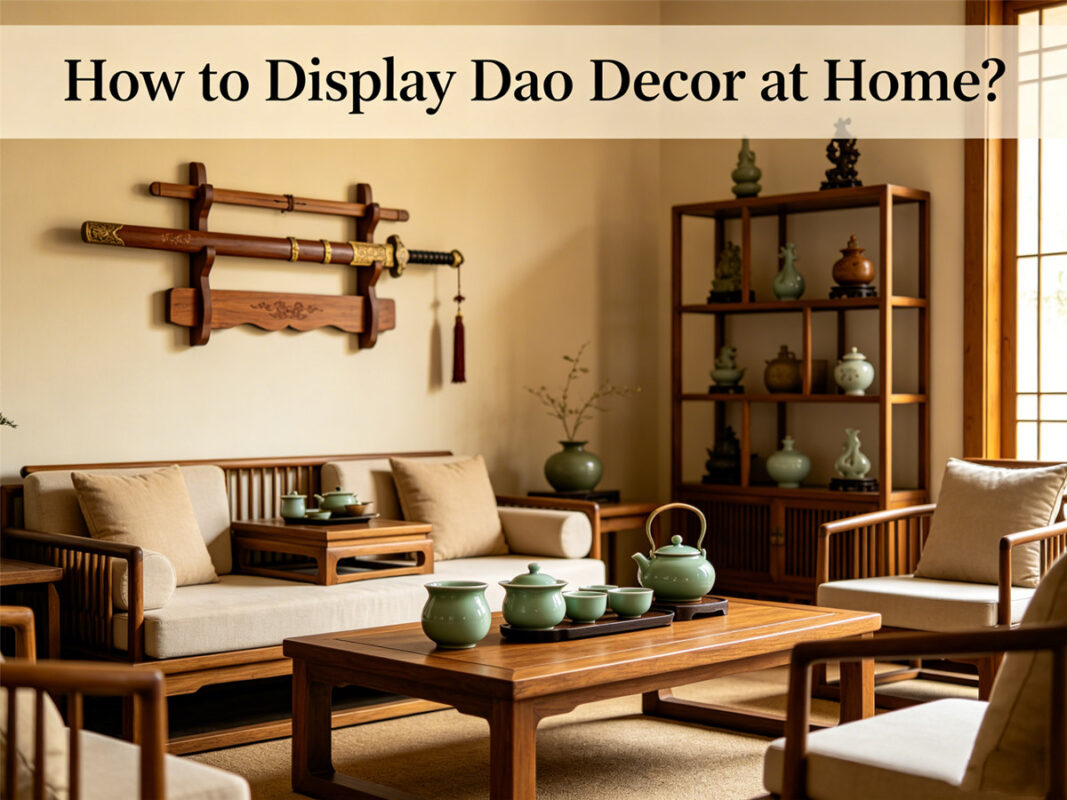
Bringing Dao Decor into a home is less about filling space and more about shaping atmosphere, because these pieces are often designed with intention, symbolism, and a sense of quiet presence that changes how a room feels rather than simply how it looks. Unlike purely decorative objects that exist to match furniture or fill empty corners, Dao-inspired pieces tend to carry meaning tied to balance, nature, and simplicity, which means the way they are displayed matters just as much as the items themselves.
When placed thoughtfully, Dao decor can shift a room’s energy in subtle ways, making spaces feel more grounded, open, or reflective depending on how it is arranged. This is why many people approach it with care rather than decoration habits used for standard home styling. It is not about overcrowding shelves or following rigid design rules, but about allowing each piece to breathe and be seen clearly without distraction.
At its core, displaying Dao decor at home is about intention. Even a small object can feel significant if placed in the right context, while a larger piece can lose its impact if surrounded by too many competing elements.
2. Choosing the Right Placement for Dao-Inspired Pieces
Where you place Dao-inspired objects determines how they interact with the rest of your home, and thoughtful positioning can turn even simple decor into a focal point that quietly anchors the space.
Entryways and first impressions
The entryway is often the first interaction guests have with a home, which makes it a meaningful place for introducing Dao accessories or symbolic decor pieces. A small sculpture, wall hanging, or textured object placed near the entrance can create an immediate sense of calm and intentionality without overwhelming the space.
It is important, however, not to overcrowd this area. Entryways work best when they feel open and welcoming, so Dao decor here should be minimal and carefully chosen rather than abundant.
Living rooms as balance centers
The living room is typically the most versatile space for displaying Dao decor because it allows for both visual storytelling and spatial balance. A single statement piece on a coffee table or a carefully placed arrangement on a shelf can act as an anchor that subtly defines the tone of the room.
Positioning is key here; placing items at eye level or within natural sightlines ensures they are noticed without forcing attention. The goal is integration rather than interruption.
3. Creating Visual Harmony Through Arrangement
The arrangement of Dao decor is guided more by balance than symmetry, and this approach often feels more natural and less rigid than conventional interior styling methods.
The principle of negative space
One of the most important aspects of displaying Dao decor is understanding the role of empty space. Leaving breathing room around objects allows each piece to stand on its own, making it easier for the eye to appreciate its form and detail.
Negative space also prevents visual fatigue, especially in rooms where multiple textures and materials are present. Rather than filling every surface, it is often more effective to choose fewer items and allow them to exist with clarity.
Layering without clutter
Layering can be used effectively when done with restraint. For example, combining a small stone piece with a wooden base and a soft textile backdrop can create depth without overwhelming the senses. The key is to maintain a sense of order even when combining different materials or heights.
This approach works particularly well in shelves or console tables where visual storytelling can unfold gradually from one object to another.
4. Materials, Texture, and Their Role in Dao Decor Display
Material selection is central to how Dao decor is perceived in a home environment, as texture and finish influence both visual appeal and emotional tone.
Natural materials for grounded spaces
Wood, stone, clay, and woven fibers are commonly associated with Dao-inspired aesthetics because they reflect natural imperfection and organic structure. When displayed at home, these materials tend to create a grounding effect, making spaces feel more stable and calm.
Placing a carved wooden object on a simple surface, for instance, allows its texture to stand out without competition, while stone pieces often benefit from being positioned where natural light can subtly highlight their surface variation.
Contrast for visual interest
While natural materials form the foundation of Dao decor, controlled contrast can enhance visual interest. Pairing rough textures with smoother surfaces, or dark tones with lighter backgrounds, helps highlight the individuality of each piece.
However, contrast should remain subtle rather than dramatic. The goal is to support harmony, not create tension or visual overload.
5. Integrating Dao Decor into Different Rooms of the Home
Each room in a home serves a different function, and Dao decor can be adapted accordingly to maintain both consistency and purpose.
Bedrooms for calm and reflection
In bedrooms, Dao decor works best when kept minimal and soothing. A single object on a bedside table or a small wall piece above the headboard can introduce a sense of calm without disrupting restfulness. Soft lighting enhances this effect, allowing textures and shapes to appear more subtle and less defined.
The focus in bedrooms should always remain on relaxation, so decorative elements should support rather than dominate the space.
Workspaces for focus and clarity
In a workspace, Dao decor can act as a visual anchor that encourages focus. A small object placed near a monitor or desk corner can serve as a quiet reminder of balance and clarity during long working hours.
Here, simplicity is essential. Over-decoration can become distracting, so one or two well-placed items are often more effective than multiple competing elements.
6. Styling Principles for Long-Term Aesthetic Balance
Maintaining Dao decor in a home is not a one-time arrangement but an ongoing process of adjustment and observation, as spaces naturally evolve over time with changing light, seasons, and daily use.
Rotating pieces for freshness
Instead of adding more objects over time, it can be more effective to rotate existing pieces. This allows each item to be appreciated individually while preventing visual stagnation. Seasonal changes can also influence how decor is arranged, with lighter arrangements in warmer months and more grounded compositions in cooler seasons.
Letting space guide design decisions
One of the most effective long-term strategies is to let the room itself guide placement decisions. Observing how light moves through a space, where people naturally gather, and which areas feel visually heavy or empty can help refine placement over time.
This adaptive approach ensures that Dao decor remains integrated with the home rather than becoming static decoration that loses meaning.
As interest in mindful interiors continues to grow, many people also explore related cultural pieces such as Dao gift items and complementary Dao accessories, which can be incorporated into different areas of the home without disrupting visual balance. These objects often work best when treated as part of a broader aesthetic language rather than isolated decorations, allowing them to blend naturally into everyday environments. For those looking to explore thoughtfully crafted designs and curated inspirations, platforms like Daocrafts.com offer a deeper look into how Dao-inspired objects are created and how they can be displayed in ways that maintain harmony, intention, and long-term visual clarity within the home.