Interesting Dao
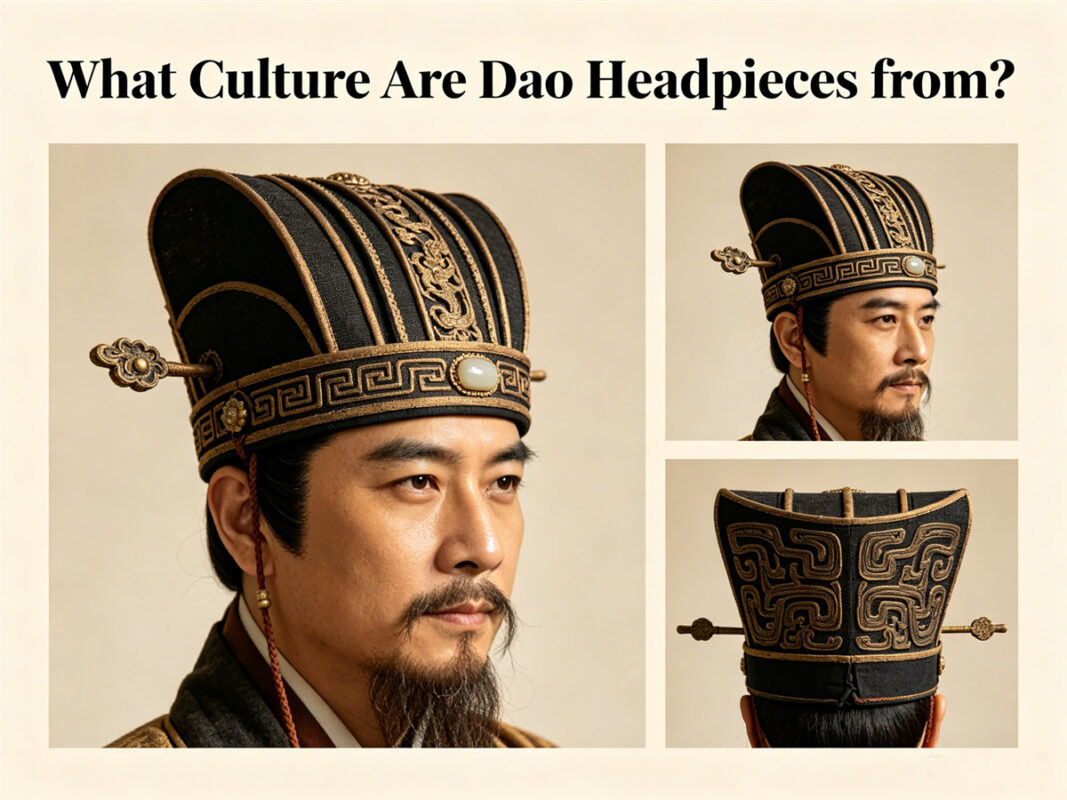
What Culture Are Dao Headpieces from?
May
1. Cultural Origins of Dao Headpieces and Their Historical Roots
The question of what culture Dao Headpieces come from does not have a single, overly simplified answer, because these pieces are not just fashion objects but expressions of layered cultural traditions that evolved over time, geography, and craft practices, reflecting both identity and symbolism. In most interpretations, Dao headpieces are associated with East Asian-inspired decorative traditions that draw from historical attire, ceremonial wear, and ornamental craftsmanship, where headwear was often used not only for beauty but also for status, ritual meaning, and social identity.
Historically, headpieces in many Asian cultures were never purely decorative. They served as markers of occasion, hierarchy, or life stage, and in some cases were reserved for specific ceremonies such as weddings, festivals, or formal court appearances. Dao-inspired headpieces, as they are understood in contemporary contexts, are influenced by this broader tradition of meaningful adornment, where every element—from structure to material—carries symbolic weight.
Influence of classical aesthetics and symbolic design
The aesthetic language often associated with Dao headpieces reflects classical design principles that emphasize balance, symmetry, and harmony with natural forms. Floral motifs, flowing curves, and nature-inspired shapes such as leaves, blossoms, or flowing lines are frequently incorporated into their structure. These motifs are not random decoration; they often reference concepts such as renewal, purity, and continuity, which have been central to traditional design thinking across several East Asian artistic traditions.
Over time, these influences were reinterpreted through modern craftsmanship, resulting in headpieces that are no longer limited to ceremonial use but are now also worn in photography, cultural performances, and stylized fashion events. This evolution reflects how cultural artifacts can shift from strictly traditional roles into broader aesthetic expressions while still preserving their symbolic foundation.
Regional interpretations and evolving identity
It is important to understand that Dao headpieces are not tied to a single, fixed ethnicity or country in a narrow sense, but rather exist within a shared cultural space where artistic traditions have influenced one another over centuries. As a result, modern interpretations may blend elements from various regions, creating hybrid designs that still maintain a sense of cultural continuity.
This blending does not diminish authenticity; instead, it reflects how cultural objects evolve when they move through time and across communities. In contemporary design practice, Dao headpieces often represent a curated interpretation of traditional East Asian aesthetics rather than a direct replica of one specific historical item.
2. Symbolism, Meaning, and the Cultural Language Behind Dao Headpieces
Beyond their visual appeal, Dao headpieces carry symbolic meaning that connects them to broader cultural philosophies and artistic traditions. Their designs often communicate ideas that are not immediately obvious but become clearer when understood within the context of traditional symbolism and cultural storytelling.
Nature-inspired symbolism and visual storytelling
One of the most consistent features of Dao headpieces is their use of nature-inspired imagery. Flowers such as plum blossoms or peonies may represent resilience, prosperity, or feminine beauty, while flowing vine-like structures can symbolize continuity and interconnectedness. These motifs are carefully chosen not only for aesthetic harmony but also for the meanings they carry within cultural storytelling systems.
This symbolic approach transforms the headpiece into more than an accessory; it becomes a form of visual language. When worn during events or performances, it can subtly communicate values, emotions, or identity without the need for words.
Ritual significance and ceremonial influence
In historical contexts, headpieces often played an important role in ceremonial dress, marking transitions such as marriage, adulthood, or participation in formal gatherings. While modern Dao-inspired headpieces are not always used in ritual settings, they still retain a sense of ceremonial elegance that makes them suitable for weddings, cultural photography, and stage performances.
This connection to ritual heritage is part of what gives Dao headpieces their enduring appeal. They evoke a sense of occasion, even when worn in contemporary or artistic contexts.
3. Craftsmanship, Materials, and Modern Interpretations
The making of Dao headpieces combines traditional inspiration and modern craftsmanship techniques, allowing them to remain both visually intricate and structurally wearable.
Materials that shape identity and texture
Common materials used in Dao headpieces include metal wire frameworks, silk flowers, beads, jade-like accents, and sometimes lightweight alloys designed to maintain durability without adding excessive weight. Each material contributes not only to the appearance but also to how the piece feels when worn, especially during extended use in events or performances.
Silk and fabric-based elements often soften the overall look, creating a more romantic and flowing visual effect, while metallic components add structure and definition. This combination allows designers to balance softness with precision, ensuring that the final piece feels cohesive rather than fragmented.
Handcrafted detail and artistic precision
Many Dao headpieces are still made through detailed handcrafting processes, where artisans carefully assemble each component to achieve balance and symmetry. This level of craftsmanship ensures that no two pieces are identical, even when they follow similar design templates.
The process often involves layering elements gradually, adjusting proportions, and refining details to ensure that the final piece sits comfortably while maintaining its visual integrity. This attention to detail reflects a broader appreciation for craftsmanship in Dao-inspired art forms, where imperfection is not a flaw but part of the object’s individuality.
Modern adaptations and wearable design evolution
In recent years, Dao headpieces have been reimagined for modern audiences, particularly in fashion photography, cultural festivals, and themed events. Designers now focus on making them lighter, more adjustable, and easier to wear without compromising their decorative richness.
This evolution has allowed Dao headpieces to move beyond strictly traditional settings and become part of contemporary fashion expression, where they can be styled with modern outfits or paired with other cultural garments for artistic effect.
4. Cultural Relevance Today and Their Role in Contemporary Expression
In today’s global fashion landscape, Dao headpieces occupy a unique space where tradition and modernity intersect, offering wearers a way to engage with cultural aesthetics in a visually meaningful and expressive way.
Use in fashion, photography, and cultural storytelling
Dao headpieces are frequently used in editorial photography, cultural festivals, theatrical performances, and wedding styling, where their intricate designs add a layer of storytelling to the visual composition. They are often chosen not only for their beauty but also for the atmosphere they create, which tends to feel elegant, reflective, and slightly ceremonial.
Photographers and stylists often use them as focal points in creative shoots because they naturally draw attention upward, framing the face and enhancing the overall composition of the image.
Personal expression and modern cultural appreciation
For many wearers today, Dao headpieces represent more than cultural heritage; they are also a form of personal expression. Wearing one can be a way of connecting with aesthetic traditions while also exploring individuality through styling choices, color combinations, and pairing with modern clothing.
This dual role—both cultural and personal—has contributed to their growing popularity across different audiences, especially among those who appreciate handcrafted design and symbolic fashion.
As interest in cultural fashion and decorative art continues to expand, items like Dao gift pieces and home-oriented Dao decor are often explored alongside headpieces as part of a broader aesthetic lifestyle that values meaning, craftsmanship, and visual harmony. These elements are increasingly featured in curated collections and design inspirations found through platforms like Daocrafts.com, where traditional influence and modern interpretation come together in ways that keep these cultural forms relevant, wearable, and thoughtfully reimagined for contemporary life.