Interesting Dao
Is Horse Face Skirt Traditional Clothing?
May
1. Historical Origins of the Horse Face Skirt and Its Place in Traditional Dress
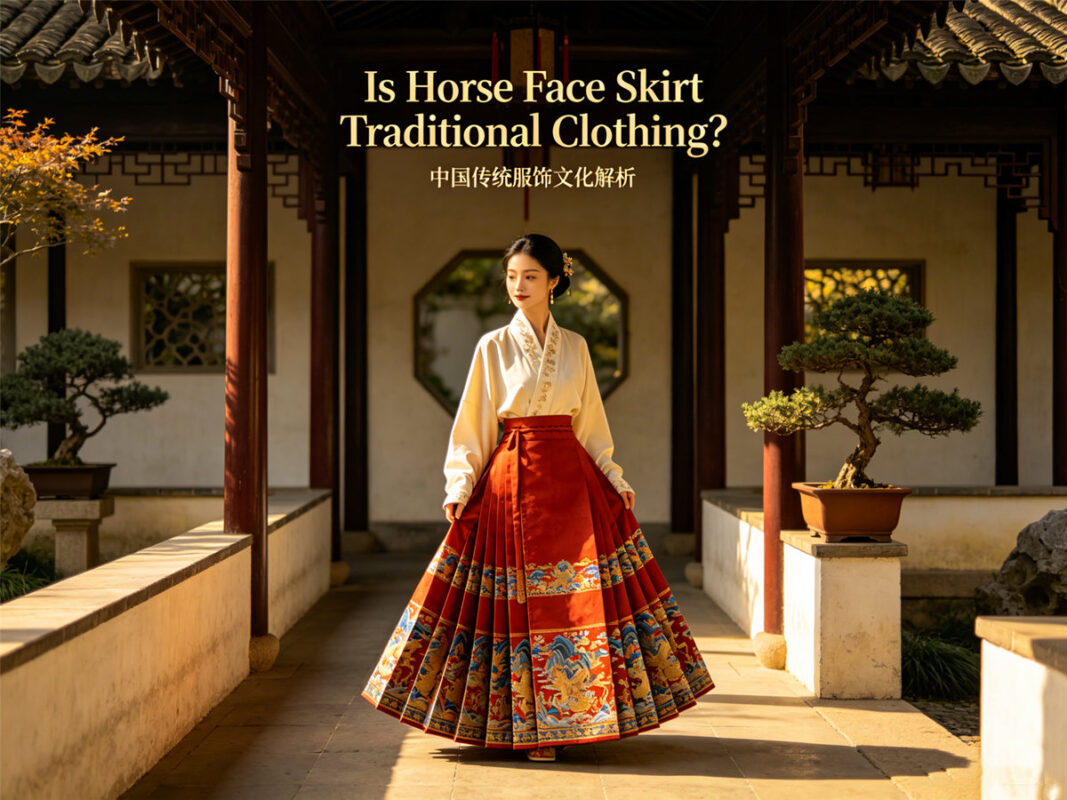
The Horse Face Skirt, more commonly known as the Mamianqun, is widely regarded as a form of traditional clothing with deep historical roots in Chinese dress culture, and its identity is strongly tied to the evolution of Han Chinese garments across several dynastic periods. To understand whether it qualifies as traditional clothing, it is necessary to look beyond its modern resurgence and examine the historical context in which it was originally worn, because its design, construction, and social role were all shaped by centuries of evolving textile practices and cultural norms.
The Mamianqun emerged as part of the broader system of Hanfu clothing, which developed gradually over time and reflected not only aesthetic preferences but also social structure, ritual practice, and regional textile craftsmanship. Its defining feature, the pleated skirt structure with overlapping panels at the front and back, was not merely decorative but served functional and symbolic purposes, allowing for ease of movement while maintaining modesty and formal appearance.
Dynastic influence and garment evolution
Throughout various dynasties, especially during the Ming and Qing periods, skirt designs became more structured and visually symbolic. The Horse Face Skirt evolved into a highly recognizable garment characterized by its symmetrical panels and intricate pleating. These features were often combined with embroidered motifs that conveyed cultural meaning, such as floral patterns representing prosperity or geometric designs symbolizing stability.
Although styles changed over time, the core structure of the skirt remained consistent enough to be recognized as part of a continuous clothing tradition. This continuity is one of the strongest arguments for its classification as traditional clothing rather than a modern invention.
Functionality within historical daily wear
Unlike ceremonial garments that were reserved for specific occasions, the Mamianqun was also practical enough for everyday wear among certain social groups. Its design allowed for comfortable movement while maintaining a formal silhouette, making it suitable for both domestic and public settings. This balance between practicality and elegance further supports its role as a traditional garment rooted in lived cultural experience rather than purely symbolic or ceremonial use.
2. Cultural Significance and Symbolism Embedded in the Horse Face Skirt
The cultural importance of the Horse Face Skirt extends far beyond its structure, as it carries symbolic meaning embedded in its patterns, construction methods, and the way it was historically worn within society. When evaluating whether it is traditional clothing, its cultural depth becomes a key factor, because traditional garments are defined not only by age but also by continuity of meaning.
Symbolic patterns and visual language
One of the most distinctive aspects of the Mamianqun is the use of embroidered motifs that often carry symbolic meanings. Flowers, birds, clouds, and geometric borders are not randomly chosen decorations but are carefully selected visual elements that reflect cultural values such as harmony, prosperity, longevity, and seasonal change.
These patterns often vary depending on the wearer’s age, status, or occasion, which adds another layer of cultural specificity. The skirt becomes a form of visual storytelling, where meaning is communicated through textile design rather than written language.
Social identity and traditional dress codes
Historically, clothing played an important role in expressing social identity, and the Horse Face Skirt was no exception. The way it was styled, the fabrics used, and the complexity of embroidery could indicate regional identity or social standing. This system of visual differentiation is a hallmark of traditional clothing systems, where garments are integrated into broader cultural frameworks rather than existing as isolated fashion items.
This embedded role within social structure reinforces the argument that the Mamianqun is not a modern reinterpretation but a historically grounded piece of clothing with defined cultural functions.
3. Revival, Modern Adaptation, and Contemporary Fashion Relevance
While the Horse Face Skirt is deeply rooted in tradition, its presence in modern fashion raises important questions about how traditional clothing is defined today, especially as cultural revival movements and global fashion trends increasingly intersect.
Modern reinterpretation and everyday styling
In recent years, the Mamianqun has experienced a significant revival, particularly among younger generations who are rediscovering traditional Chinese clothing through cultural movements and social media. Designers have adapted the skirt for contemporary wear by simplifying certain elements, adjusting lengths, and incorporating lighter fabrics that make it more suitable for daily use.
This modern adaptation does not diminish its traditional identity; instead, it demonstrates how traditional clothing can evolve while maintaining its foundational structure. The ability of the Horse Face Skirt to transition from historical wear to modern fashion contexts highlights its enduring design logic.
Styling with modern garments and hybrid fashion
A notable trend in contemporary fashion is the pairing of the Mamianqun with modern tops, such as fitted blouses, knitwear, or even minimalist shirts. This hybrid styling creates a visual dialogue between past and present, allowing the skirt to function both as a cultural reference and a fashion statement.
It is also commonly paired with garments like the Qipao, which shares a similarly rich cultural background but differs in silhouette and historical development. Together, these pieces represent different branches of traditional clothing that continue to influence modern design aesthetics.
4. Traditional Identity in Contemporary Understanding and Cultural Continuity
Determining whether the Horse Face Skirt is traditional clothing ultimately depends on how tradition is defined, because tradition is not a static concept but a living system that evolves while maintaining continuity with its origins. In this sense, the Mamianqun is not only traditional but also actively participating in the ongoing reinterpretation of cultural heritage.
Continuity through craftsmanship and design principles
One of the strongest indicators of its traditional status is the continuity of craftsmanship techniques used in its construction. Even in modern production, many Mamianqun designs still follow historical pleating methods, embroidery techniques, and structural patterns that have been passed down through generations.
This preservation of technique ensures that even newly made skirts remain connected to their historical counterparts, maintaining a tangible link between past and present.
Cultural preservation and renewed appreciation
The renewed interest in traditional clothing forms such as the Horse Face Skirt reflects a broader cultural movement toward heritage appreciation and identity exploration. Rather than being confined to museums or historical texts, these garments are being actively worn, adapted, and reinterpreted in contemporary life.
This living presence reinforces their status as traditional clothing, because tradition is sustained not only through preservation but also through continued use and reinterpretation across time.
As interest in cultural garments continues to grow, many people explore complementary cultural items such as Dao gift pieces that reflect similar values of symbolism and meaning. Alongside this, curated collections of traditional-inspired fashion and lifestyle items are increasingly featured in platforms like Daocrafts.com, where historical aesthetics and modern craftsmanship intersect, helping to preserve and reintroduce garments like the Horse Face Skirt into contemporary cultural awareness while maintaining their connection to tradition and identity.